LED vs Traditional Lighting:
What’s the Difference?
in Blog
When planning a lighting project—whether for a home interior, garden, retail space, or architectural environment—choosing the right light source is crucial. Over the last decade, LED lighting has rapidly replaced traditional lighting technologies, offering better performance, efficiency, and design freedom.
In this guide, we compare LED lighting vs traditional lighting (halogen, incandescent, and fluorescent) to help you make the right choice for your next project.09 February 2026
What Is Traditional Lighting?
Traditional lighting generally includes:
Incandescent bulbs
Halogen lamps
Fluorescent and compact fluorescent lamps (CFLs)
These technologies rely on heat or gas excitation to produce light, resulting in high energy consumption, shorter lifespans, and limited design flexibility—especially in modern architectural and outdoor applications.
What Is LED Lighting?
LED (Light Emitting Diode) lighting uses advanced semiconductor technology to deliver light efficiently, consistently, and with precise control.
At Chainlight, LED technology is used across a wide range of solutions, including:
Interior LED lighting for residential and commercial spaces
Exterior and garden lighting
Path and landscape lighting
Pool and wet-area lighting
Architectural and design-focused lighting solutions
This makes LEDs suitable for both functional lighting and high-end design projects.
Key Differences Between LED and Traditional Lighting
1. Energy Efficiency
Traditional lighting wastes energy as heat.
LED lighting consumes up to 80–90% less energy for the same light output.
This makes LEDs ideal for interior lighting projects and outdoor installations where lights operate for long periods, such as garden and path lighting systems.
2. Lifespan & Maintenance
Light Source | Average Lifespan |
Incandescent | ~1,000 hours |
Halogen | ~2,000–4,000 hours |
Fluorescent | ~8,000–15,000 hours |
LED | 30,000–50,000+ hours |
Long lifespans are especially important for:
Exterior LED lighting
Pool lighting installations
Architectural fixtures integrated into structures
Reduced maintenance means lower long-term costs and fewer disruptions.
3. Light Quality & Visual Comfort
LED lighting offers:
Controlled beam angles
Stable color temperature (warm, neutral, or cool white)
High CRI for accurate color rendering
Compatibility with dimmers and lighting control systems
This makes LEDs ideal for interior design lighting, retail environments, and architectural highlights where light quality is essential.
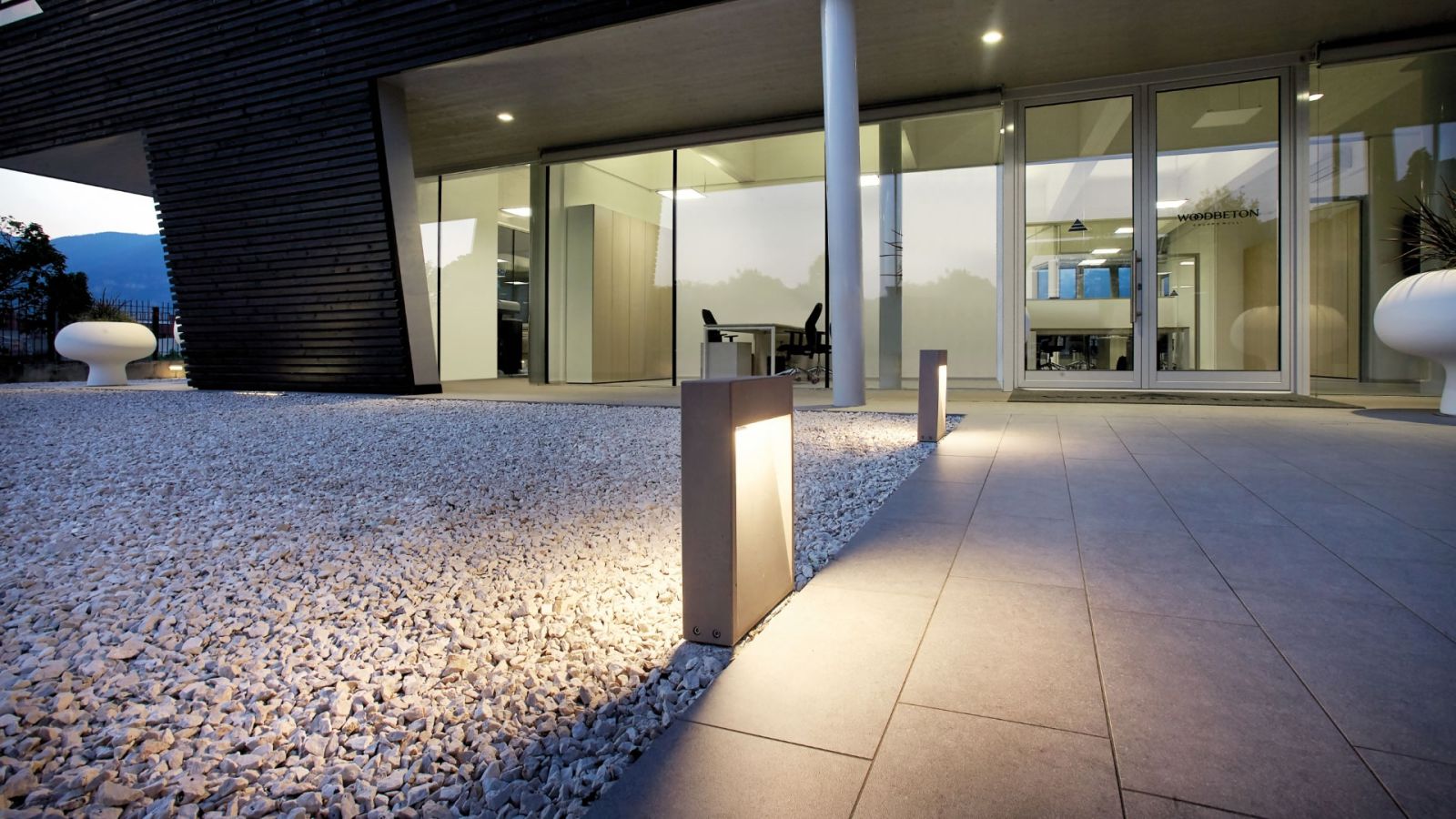
4. Design Flexibility
Thanks to their compact size, LEDs allow for:
Linear and indirect lighting
Recessed fixtures
Minimalist architectural details
Custom lighting layouts
This flexibility supports professional lighting design and light planning, ensuring that lighting enhances architecture rather than overpowering it.
This is where a custom light plan becomes essential to achieve balanced, comfortable, and visually striking results.
5. Heat & Safety
Traditional lamps generate significant heat, while LEDs operate at much lower temperatures. This makes LED lighting safer for:
Furniture integration
Garden and landscape applications
Pool and wet areas
Continuous or overnight use
6. Environmental Impact
LED lighting:
Contains no mercury
Produces less CO₂ due to reduced energy use
Lasts longer, reducing waste
For sustainable building and renovation projects, LED lighting is the responsible choice.
Why LED Lighting Works Best with a Professional Light Plan
While LED technology offers many advantages, poor selection or placement can lead to glare, uneven illumination, or uncomfortable lighting.
A professional lighting plan ensures:
Correct light levels per space
Visual comfort and contrast control
Energy efficiency without sacrificing aesthetics
Seamless integration with architecture and landscape
Chainlight combines high-quality LED products with expert lighting design, helping projects achieve both technical performance and visual impact.
Final Thoughts
The difference between LED and traditional lighting goes far beyond energy savings. LED lighting offers longer lifespan, superior control, enhanced safety, and complete design freedom, making it the standard for modern lighting projects.
Whether you’re upgrading an interior space, illuminating a garden, or planning a full architectural lighting solution, LED lighting—when paired with professional design—delivers lasting value.